
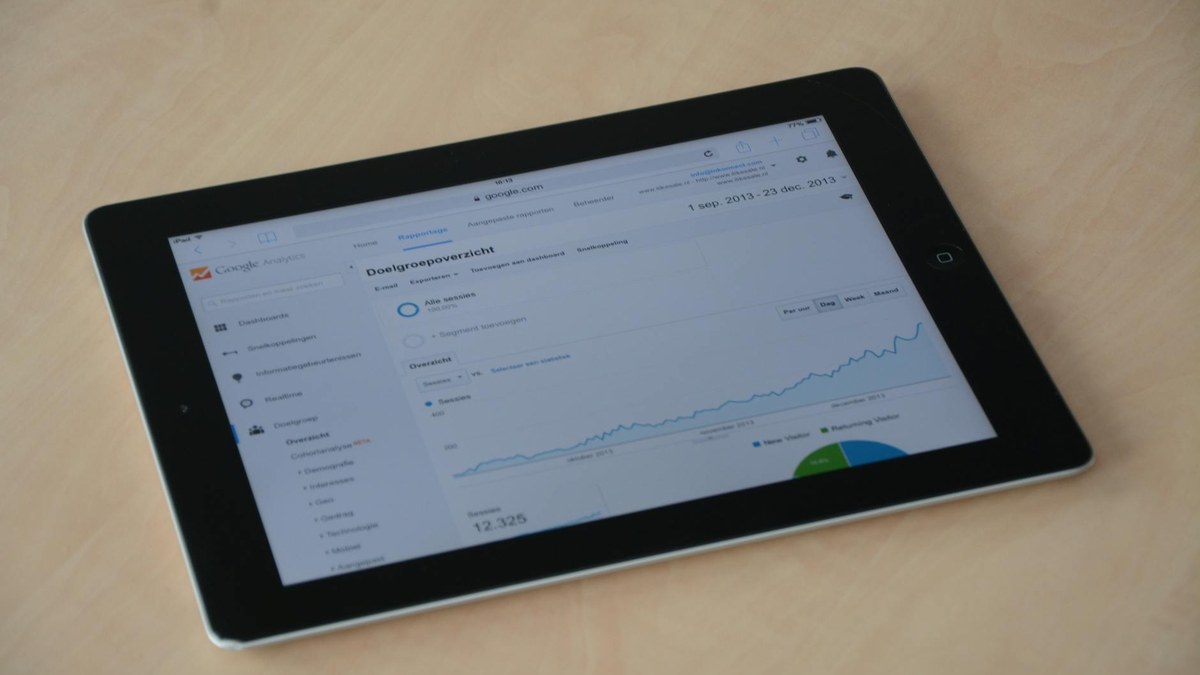
The GA4 transition: one year on
Universal Analytics stopped processing data in July 2023. For many marketing teams, that transition was the most disruptive analytics event in years, not because GA4 is a fundamentally worse tool, but because the migration exposed how much organisational knowledge and institutional configuration had accumulated in Universal Analytics over the preceding decade, and how much of that was imperfectly transferred.
More than a year later, most teams have completed the functional migration. GA4 is set up, tracking is running, and dashboards are being populated. But the real lessons of the transition are not about the technical challenges of moving from one platform to another. They are about the assumptions that were embedded in the old analytics setup, assumptions that many teams did not realise they were making until the platform change forced a rethink.
What the transition revealed
The most common revelation was that the KPIs many teams had been tracking in Universal Analytics were measuring proxies rather than outcomes. Bounce rate, one of the most-reported metrics in the old platform, was dropped from GA4 because Google concluded it was not meaningful enough to carry forward. Engagement rate replaced it, a more nuanced measure that accounts for actual interaction rather than just the absence of an immediate exit. Many teams that had been reporting on bounce rate for years found they had no strong conviction about what it had actually been telling them.
Session definitions changed too. GA4's event-based model calculates sessions differently from UA's hit-based model, meaning historical comparisons between the two platforms are not clean. For teams that had been using year-over-year session data to evaluate growth, this was unsettling, the numbers were different, and the difference was not easily attributable to actual business change versus data model change.
The GA4 transition did not break marketing analytics. It revealed how many teams had been tracking confidence rather than insight.
The goal configuration gap
One of the most persistent findings from the transition period is that goal and conversion configuration, which had to be rebuilt from scratch in GA4, was done poorly in a large proportion of implementations. Goals that had been copied from Universal Analytics without proper evaluation. Conversion events that were tracking clicks rather than actual outcomes. Key actions in the customer journey that were not tracked at all because nobody had mapped the journey recently enough to know they existed.
The forced reconfiguration was an opportunity to build a better measurement foundation. But it required the analytical clarity to decide what actually mattered, and in many organisations, that conversation had not been had in years. Teams defaulted to recreating what they had before rather than using the migration as an opportunity to build something better.
What a better GA4 setup actually looks like
The teams that came out of the GA4 transition with a better analytics foundation shared a few characteristics. They started by defining the questions the analytics needed to answer, rather than starting with event tracking. They mapped the customer journey and identified the key actions that indicated progress through it, from first visit to engagement to conversion to retention, and built their event tracking around those actions. They established a small number of primary conversion events that represented genuine business value, and secondary events that provided context.
They also connected GA4 to their CRM and their advertising platforms to get a more complete picture of the customer journey than any single platform can provide. GA4 is strong for on-site behaviour. It is weaker for attribution across complex multi-touch journeys that include email, offline touchpoints, and dark social. The teams that use it as part of a measurement stack rather than as the sole measurement tool get substantially more value from it.
The attribution problem GA4 still does not solve
GA4's data-driven attribution model is better than the last-click models it replaced, but it still operates within the limits of a single-platform view of a multi-platform customer journey. The growing impact of iOS Mail Privacy Protection on email tracking, the ongoing erosion of cookie-based attribution, and the rise of dark social, word of mouth, private messaging, platforms that do not pass referral data, mean that any single analytics platform, however well-configured, will show an incomplete picture.
The honest response to this is to complement GA4 with other data sources, CRM win/loss data, customer surveys asking how prospects heard about you, branded search volume as a proxy for awareness growth, rather than to over-rely on any single attribution model. Attribution is getting harder, not easier. The teams that are most honest about that uncertainty, and who build multi-source measurement frameworks accordingly, are making better decisions than those who are relying on a single platform's attribution as though it is complete.
The lesson worth taking forward
The GA4 transition was disruptive, but the disruption was useful. It forced a conversation about what marketing data is actually for, what questions it should answer, and whether the existing measurement framework was asking the right things. Teams that had that conversation emerged with better-configured platforms and better analytical foundations than they had before. Teams that treated it as a technical migration missed the opportunity. The next disruption, and there will be one, will give the same choice again.